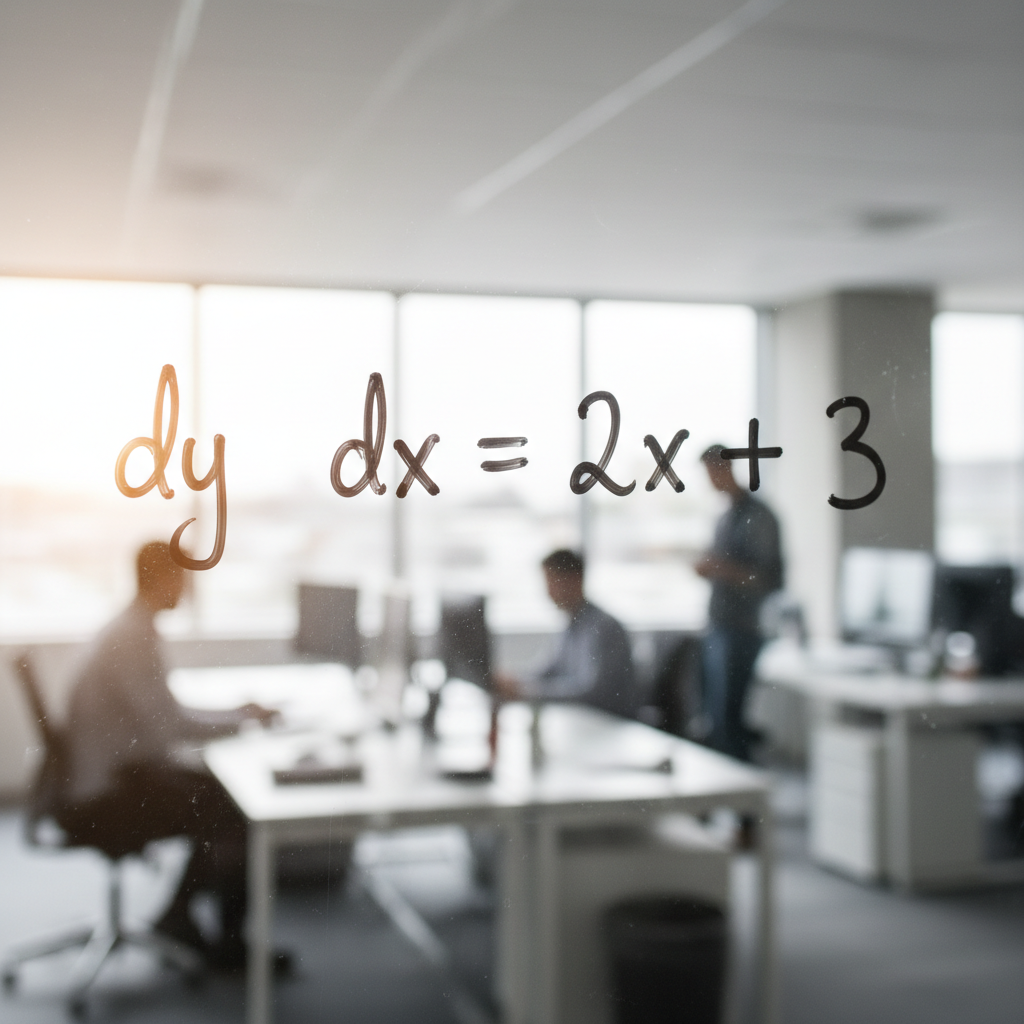

The math stopsbeing abstract.
You're closer to ML than you think. Epoch takes working developers from "copying snippets" to actually understanding gradient descent, transformers, and real deployment.
The people who make it click
Six instructors.
One curriculum.
Each faculty member owns their corner of ML completely. They're not generalists reading slides — they're researchers and engineers who've spent years making their specialty approachable.
Dr. Lena Park
Clustering, dimensionality reduction, and why your data already has structure.
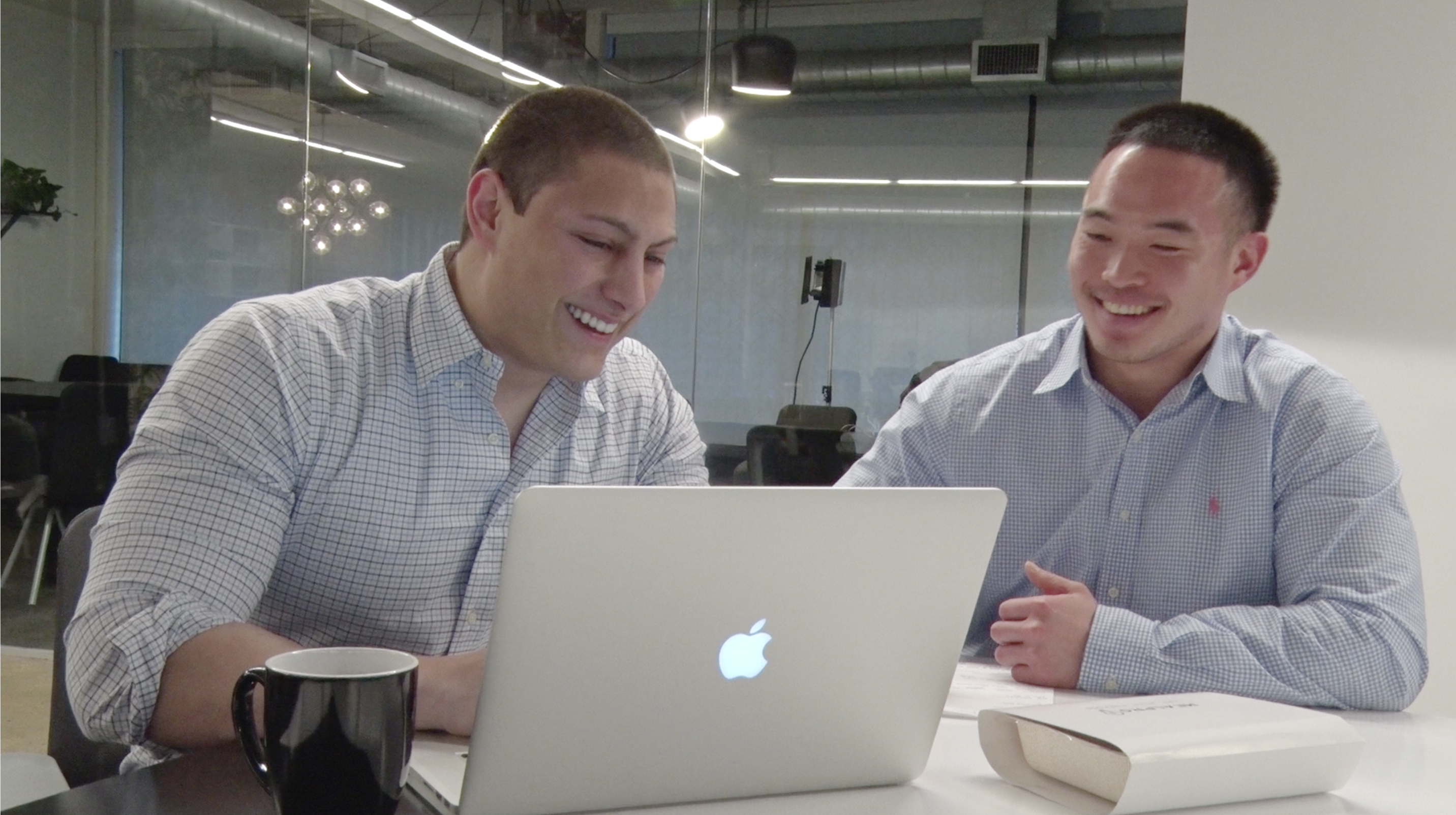
Marcus Cole
From tokenization to attention heads — transformers without the hand-waving.

Dr. Priya Nair
Backprop by hand first. Then PyTorch. In that order.
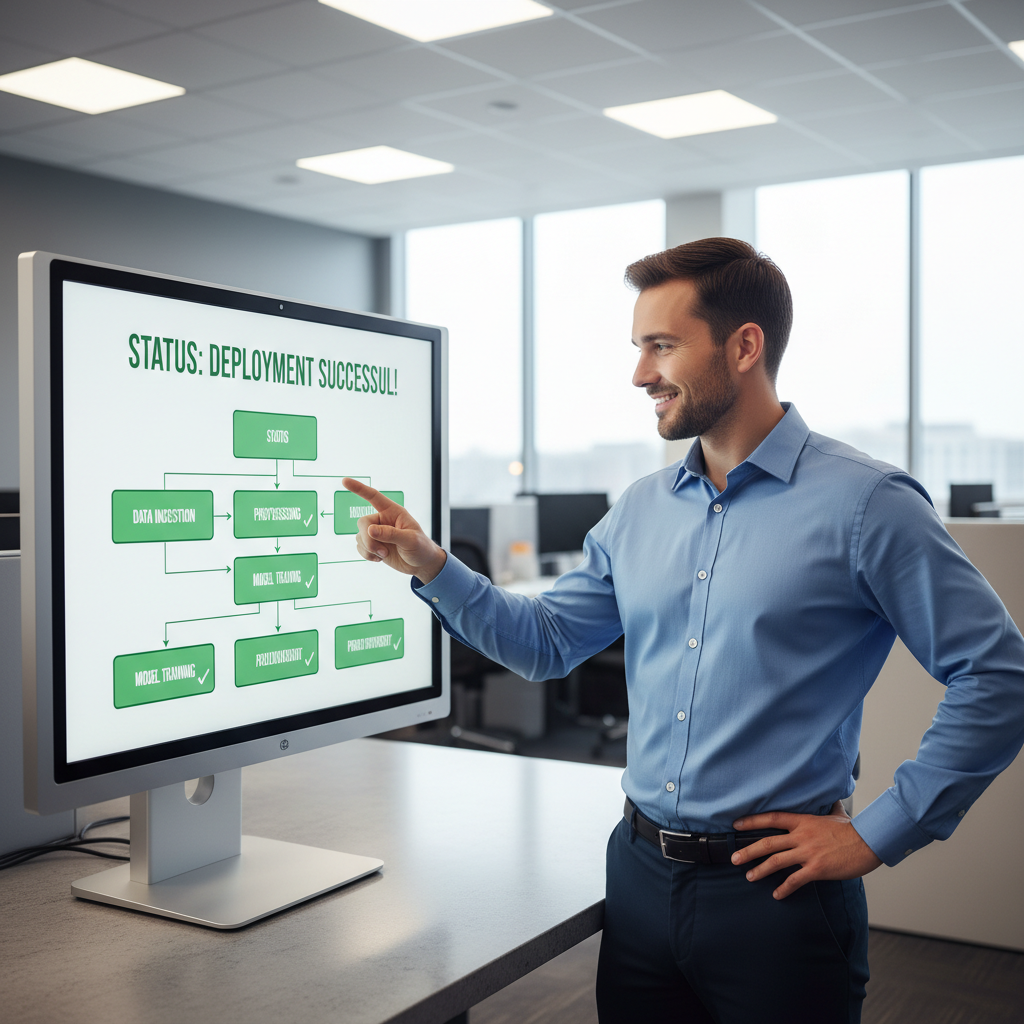
James Okafor
A model that ships beats a model that's perfect. Learn to ship.
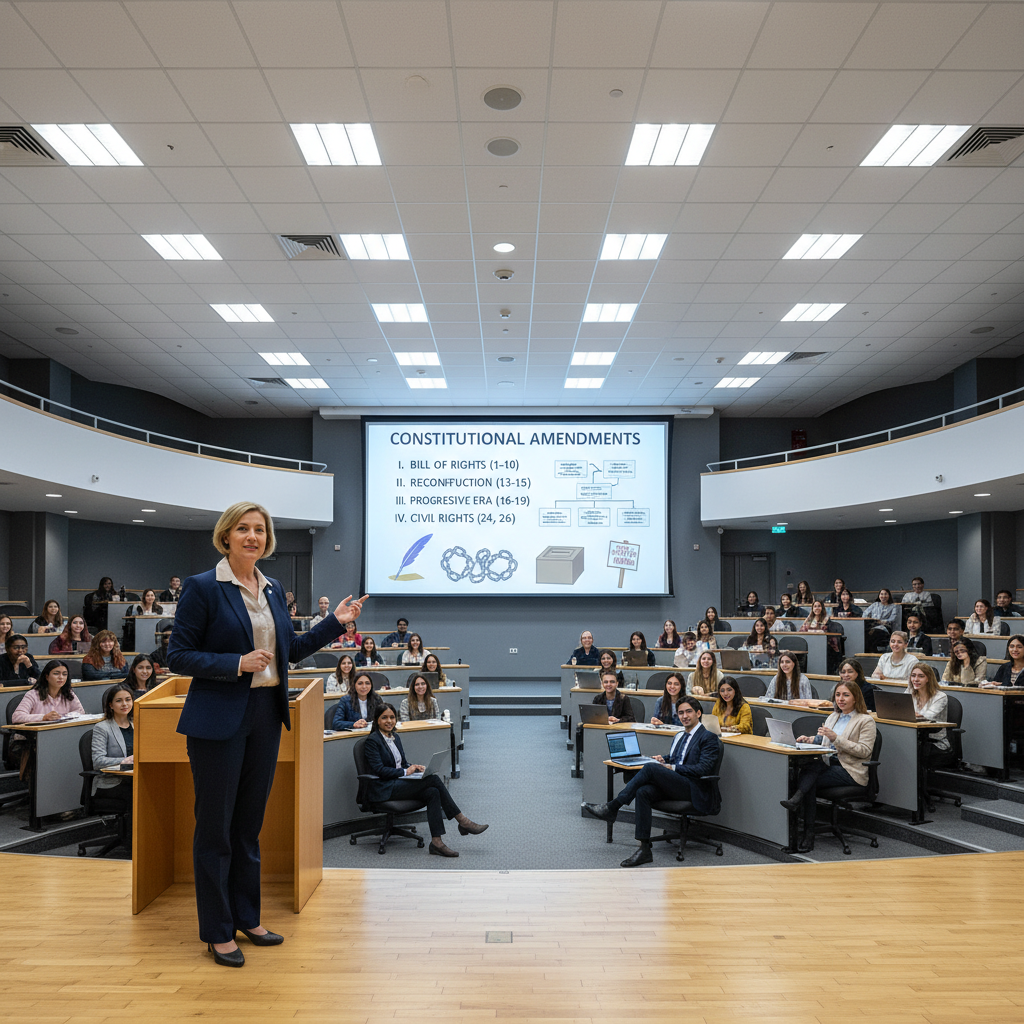
Dr. Sofia Reyes
CNNs, object detection, and why convolutions are just math you already know.
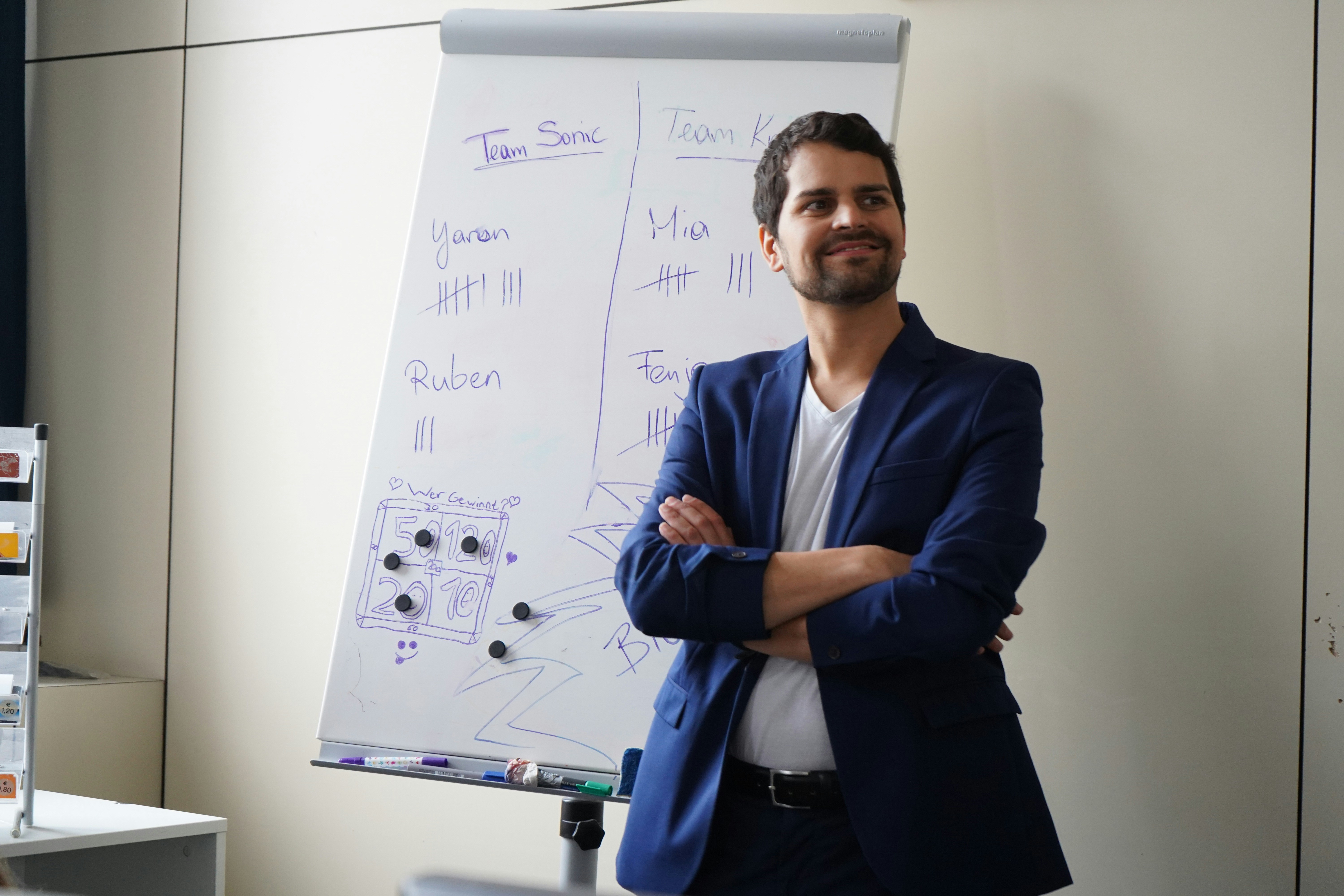
Tariq Hassan
Linear algebra and calculus — the two hours that make everything else make sense.
Not sure which instructor to start with?
The 5-question diagnostic matches you to the right path automatically.
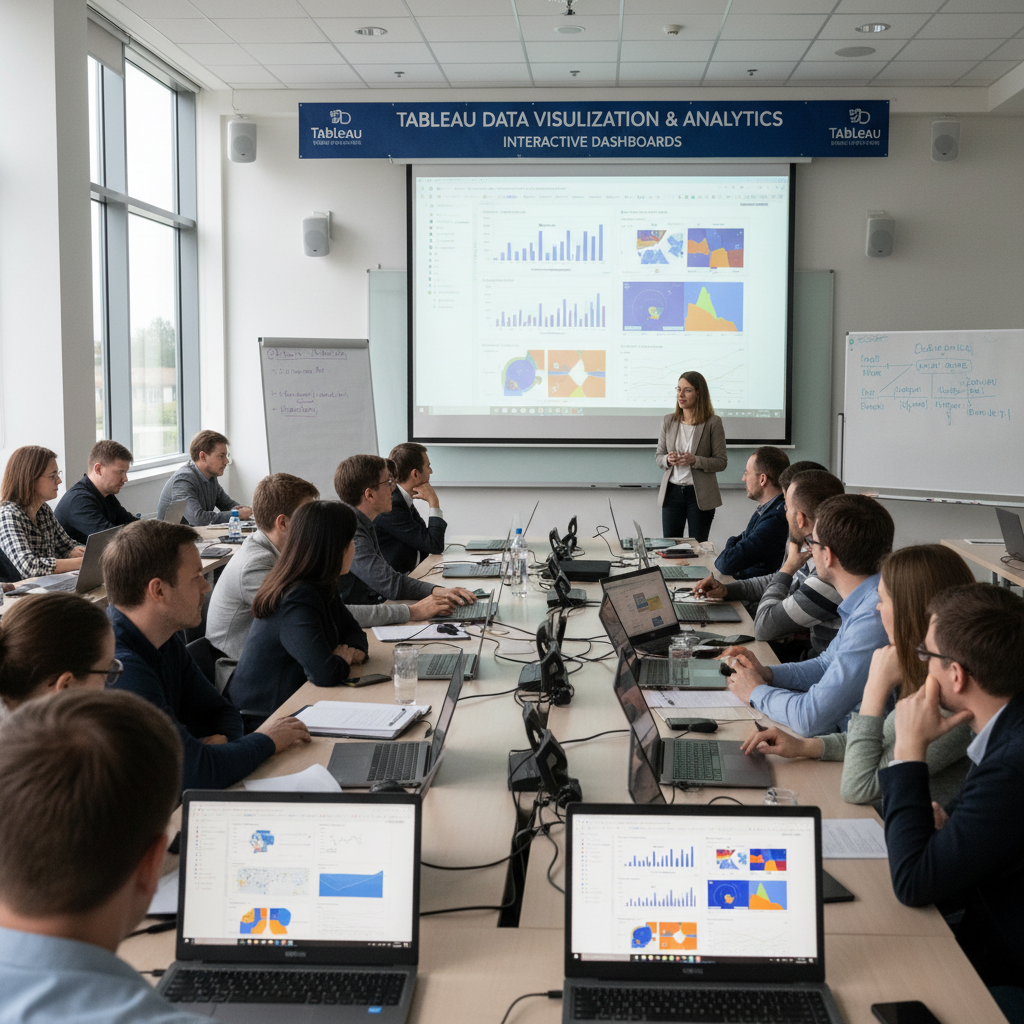
Unsupervised Learning
Dr. Lena Park
Track Overview
Unsupervised Learning
with Dr. Lena Park
Most ML courses skip unsupervised learning or treat it as an afterthought. Lena's track makes it the center — because real-world data rarely comes labeled. You'll implement k-means, DBSCAN, PCA, and autoencoders from scratch, then apply them to datasets that don't have easy answers.
Why Your Data Already Has Structure
3hClustering: k-Means to DBSCAN
4hDimensionality Reduction That Makes Sense
4hAutoencoders and Representation Learning
5hStudent Feedback — Unsupervised Learning
I finally understand why PCA works, not just how to call it. Lena's whiteboard derivation was the thing that cracked it open for me.
Amara Osei
Data Engineer, Shopify
The DBSCAN module alone was worth the entire course. I used it the next week on a customer segmentation problem that k-means had been failing on for months.
Yuki Tanaka
ML Engineer, Mercari
Dr. Park has this gift for making you feel like you discovered the math yourself. I've never felt smarter in a classroom.
Chioma Eze
Analytics Lead, Paystack

NLP & Transformers
Marcus Cole
Track Overview
NLP & Transformers
with Marcus Cole
Marcus spent four years on the NLP team at a major tech company before teaching. His track doesn't hand-wave through attention mechanisms — you'll implement a transformer from scratch in week 3, understand why it works, then use Hugging Face to ship something real.
Text as Numbers: Tokenization to Embeddings
3hAttention Is All You Need — Actually Explained
5hBuild a Transformer From Scratch
6hFine-Tuning Pre-Trained Models
4hDeploying NLP in Production
4hStudent Feedback — NLP & Transformers
After three failed attempts to understand transformers from blog posts, Marcus's "build it yourself" approach finally made the architecture stick. I can now read papers.
Sebastián Torres
Backend Engineer → ML Engineer, Rappi
The attention visualization tool Marcus built for the course is something I use in my actual job. It's genuinely the best debugging tool for transformers I've found.
Preethi Raghavan
NLP Researcher, Allen Institute
I was a data analyst who thought transformers were magic. Now I'm the person explaining them to my team. That shift happened in six weeks.
Kofi Mensah
Data Scientist, Jumia
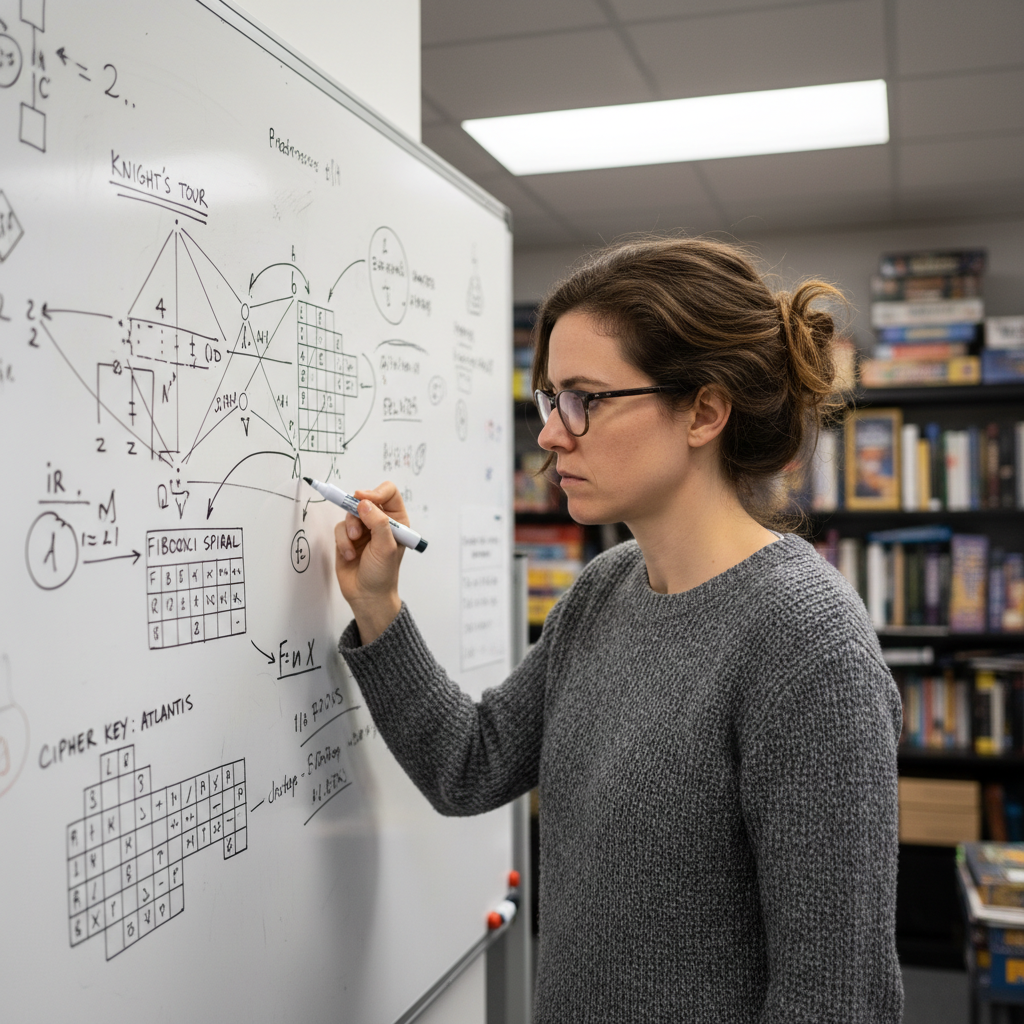
Deep Learning
Dr. Priya Nair
Track Overview
Deep Learning
with Dr. Priya Nair
Priya's rule: backprop by hand first, PyTorch second. Her track is the hardest in the curriculum and the most transformative. You'll understand every gradient, every activation function, every initialization choice — and then you'll build a CNN that outperforms VGG16 on a custom dataset.
The Calculus You Actually Need
3hBackpropagation by Hand
5hFrom Numpy to PyTorch
4hConvolutional Networks: What Filters Actually Learn
5hTraining Tricks That Actually Work
4hGenerative Models: VAEs and Diffusion
5hStudent Feedback — Deep Learning
Priya made me do backprop by hand three times before touching PyTorch. I hated it and then I realized I was the person in my team who actually understood what was happening.
Rin Fujimoto
Research Engineer, PFN
The hardest course I've taken. The one I recommend to everyone. Those two things are related.
Kwame Asante
ML Engineer, Wave
I shipped a production diffusion model six months after finishing this track. The foundation Priya built made every paper I read after make immediate sense.
Natalia Voronova
Senior ML Engineer, Stability AI
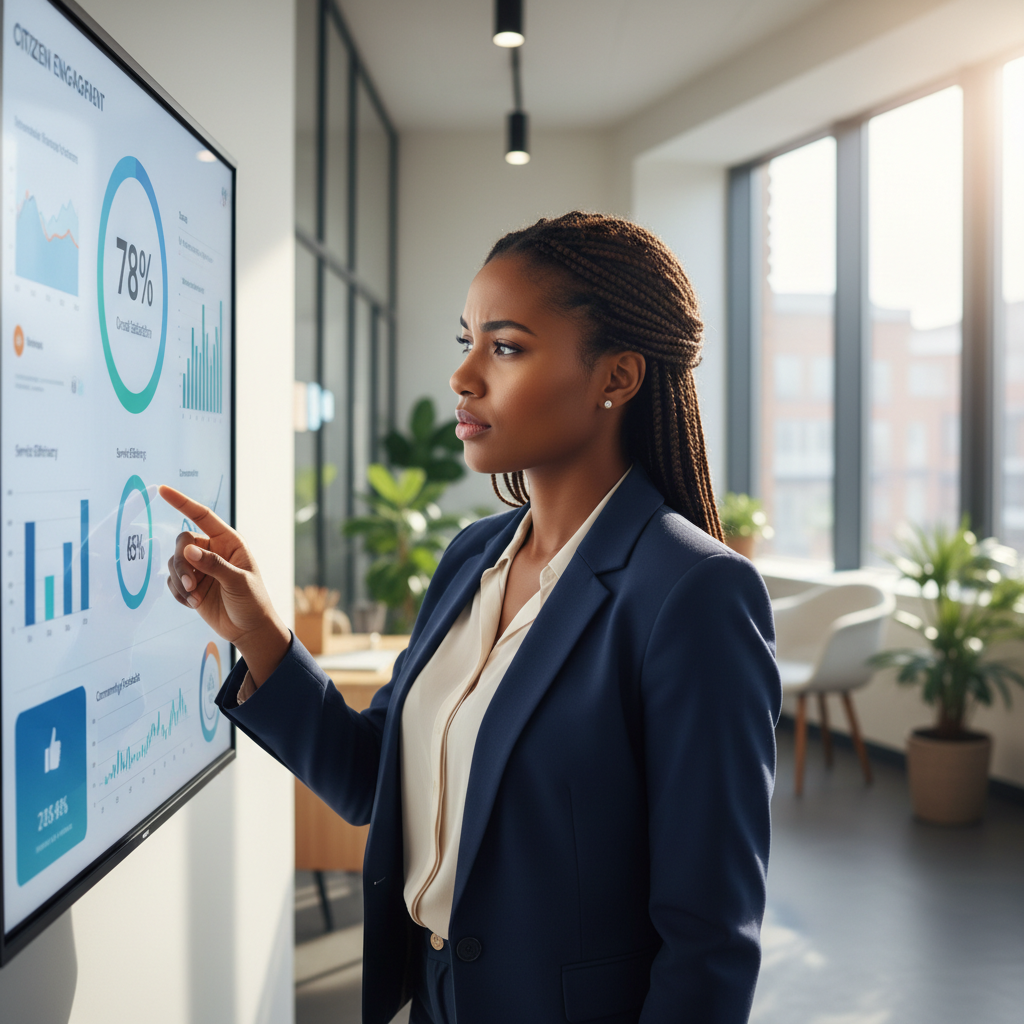
MLOps & Deployment
James Okafor
Track Overview
MLOps & Deployment
with James Okafor
James has deployed models at scale at two unicorns. His track is ruthlessly practical: every module ends with something running in production. You'll containerize your first model in week 1, set up monitoring by week 2, and build a full ML pipeline with CI/CD by week 4.
Your First Model in Production (This Week)
4hMonitoring That Catches Drift Before Users Do
4hFeature Stores and Data Pipelines
4hCI/CD for ML: Testing Models Like Software
5hStudent Feedback — MLOps & Deployment
I had a model that worked in a Jupyter notebook for 8 months. After James's first module, it was live. That's not an exaggeration.
Darius Mitchell
Data Scientist → MLOps Engineer, Capital One
The monitoring module changed how I think about models entirely. They're not done when they're accurate — they're done when they're stable in production.
Ingrid Svensson
ML Platform Engineer, Klarna
James is the instructor who treats you like a real engineer, not a student. His code review feedback alone was worth the enrollment cost.
Oluwaseun Adeyemi
ML Engineer, Flutterwave
What happens after
Numbers that
matter to employers.
Not vanity metrics. These are the numbers that show up in salary negotiations, job applications, and LinkedIn profiles.
Placement rate within 6 months
Of graduates who completed the full curriculum secured ML-adjacent roles.
Average salary increase
Median salary delta measured 12 months post-graduation across all tracks.
Active students worldwide
Across 94 countries, from Lagos to Seoul to São Paulo.
Instructor satisfaction score
Average rating across 11,000+ post-module surveys.
"I spent three years copying ML code without understanding it. Eight weeks with Epoch and I was writing the code my team copies."
— Rohan Mehta, Senior Engineer at Databricks
Epoch alumni now at
The math is learnable
Your front-row seat
starts with one question.
Five questions. Two minutes. One path designed around exactly where you are right now.
14-day refund · No prerequisites · Cancel anytime